

.webp?length=400&name=Cyber-Radio-NDR585%20(3).webp)

.webp?width=70&height=70&name=Vector%20(1).webp)



Lexi Jones|08/25/26
04/21/26
SDR design is all about trade-offs. Improving performance, like bandwidth, noise figure, or channel count, almost always increases size, weight, power, and cost (SWaP-C).
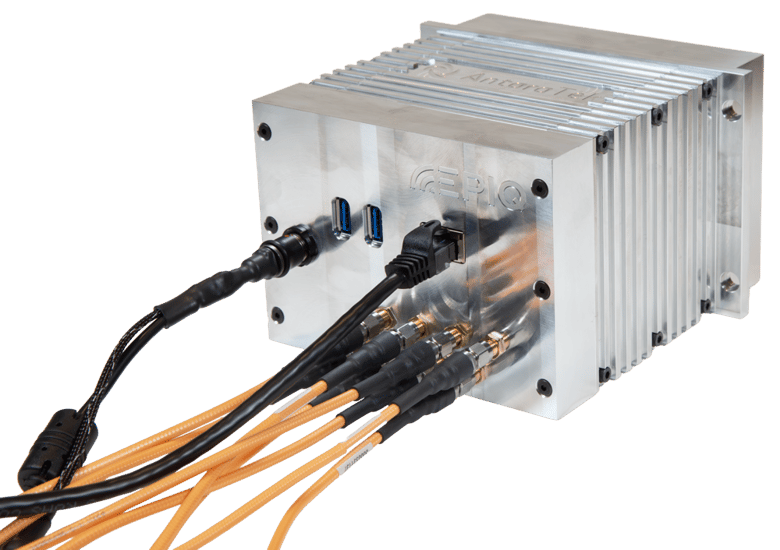
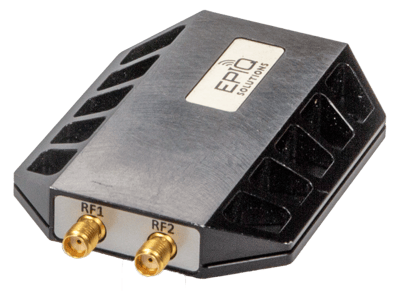
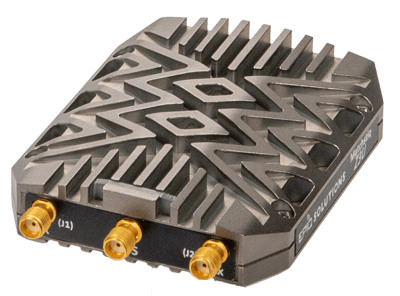
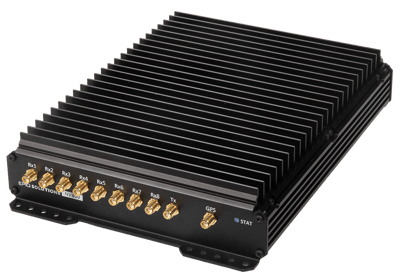
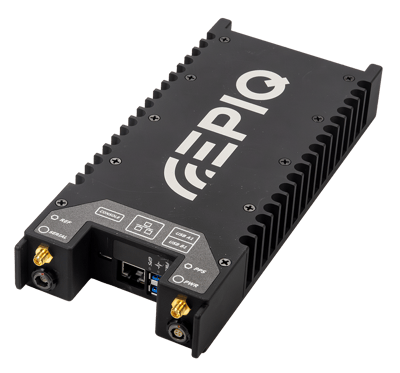
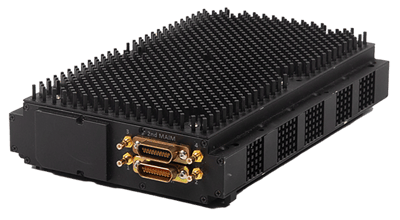
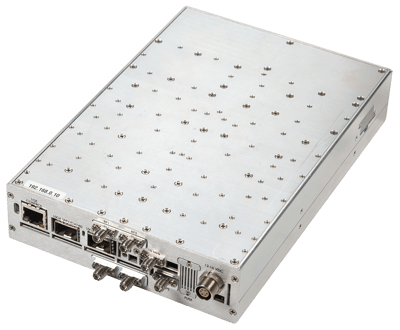
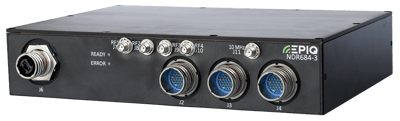
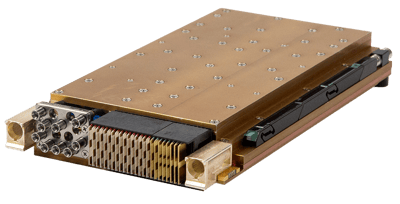
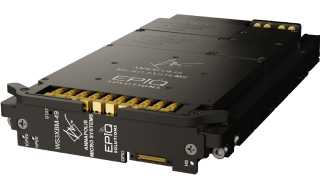
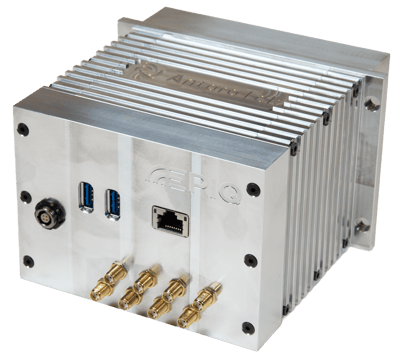
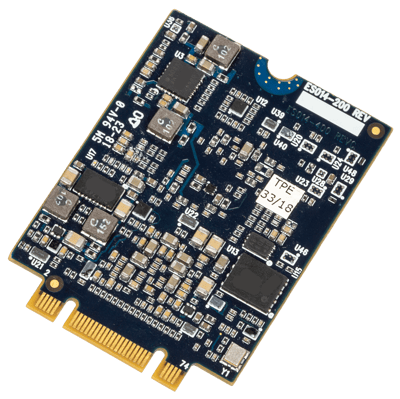
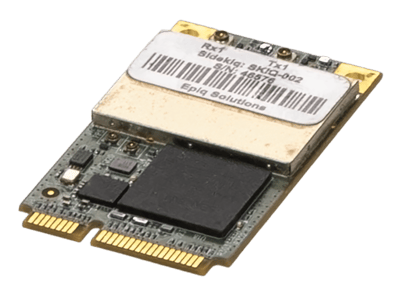
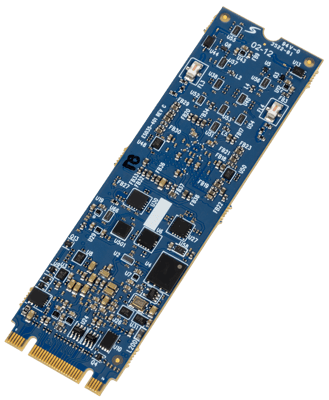
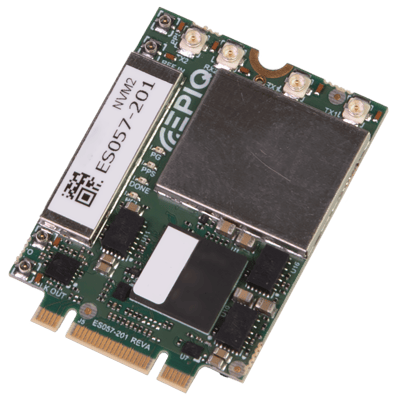
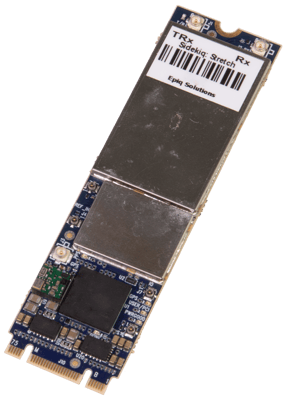
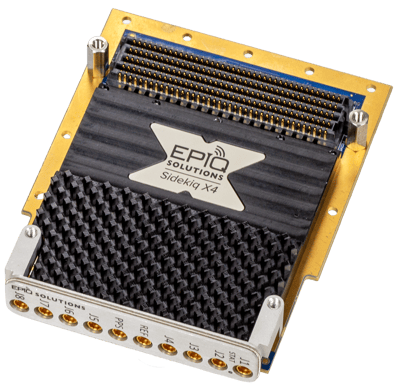
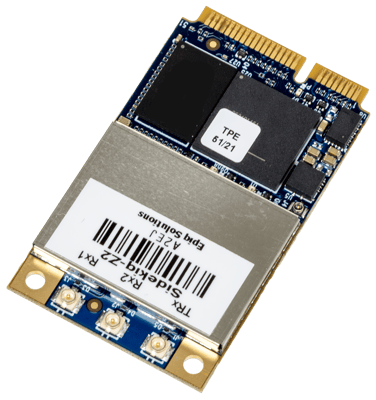
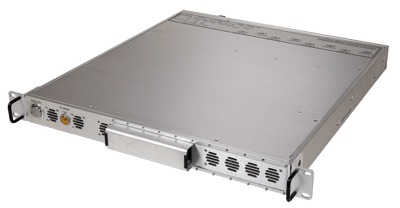
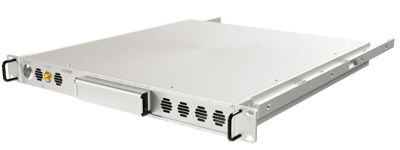
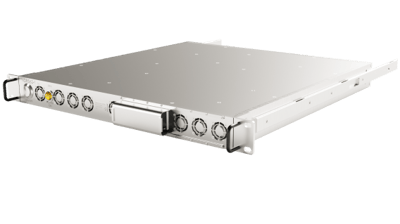
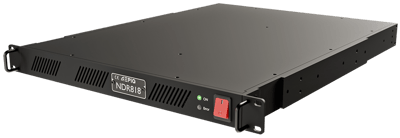
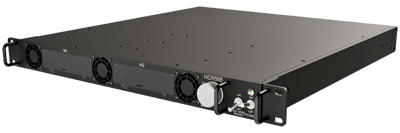
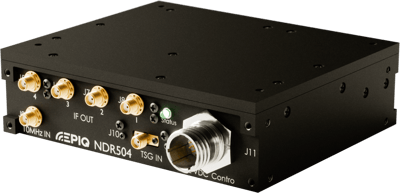
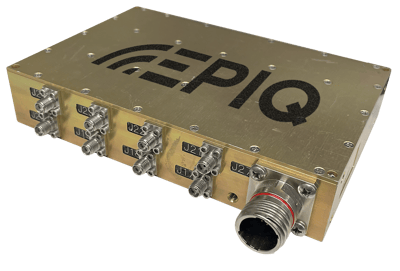
A clear example is Epiq Solutions’ NDR318 and NV800. While their specs look similar, their architectures drive very different outcomes.
The NV800 uses a highly integrated Zero IF (ZIF) design. This keeps SWaP-C low while delivering strong performance for many applications. However, its amplifier-first approach can make it more sensitive to interference in complex RF environments.
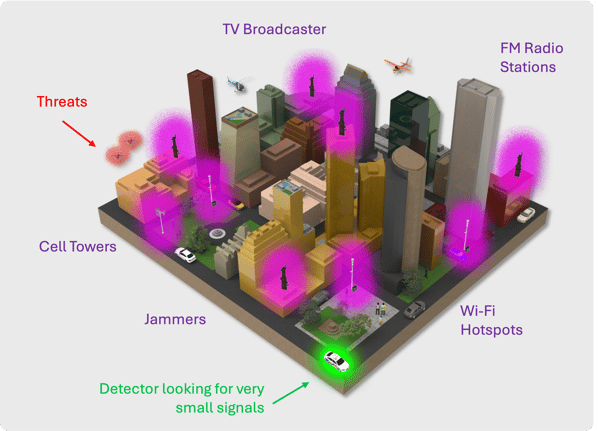
The NDR318 takes a different path with a superheterodyne, filter-first architecture. It requires more power and hardware, but delivers better signal integrity, stronger interference rejection, and more consistent performance in congested or contested conditions.
So which is better?
It depends on the mission.
If size, power, and cost are the priority, the NV800 is a compelling choice. But for applications like spectrum monitoring, direction finding, or operating in high-interference environments, the added SWaP-C of the NDR318 can be well worth it.
Bottom line: The best SDR isn’t defined by specs alone—it’s defined by how well
its architecture fits the job.