The rapid rise of unmanned aerial systems (UAS) is reshaping today’s threat
landscape. From lessons learned in Ukraine to disruptions at critical
infrastructure like airports, drones have proven to be accessible, adaptable, and
increasingly difficult to counter.
Detection, however, is the real challenge.
Unlike traditional aircraft, drones operate at low altitudes and rely on commercial communication protocols, making them hard to track with legacy radar systems alone. Instead, effective counter-UAS strategies depend on monitoring the radio frequency (RF) spectrum, where drones communicate with controllers, GPS, and cellular networks.
But that spectrum is already crowded. Wi-Fi, Bluetooth, and cellular signals
create a dense RF environment, turning drone detection into a true “needle in a
haystack” problem.
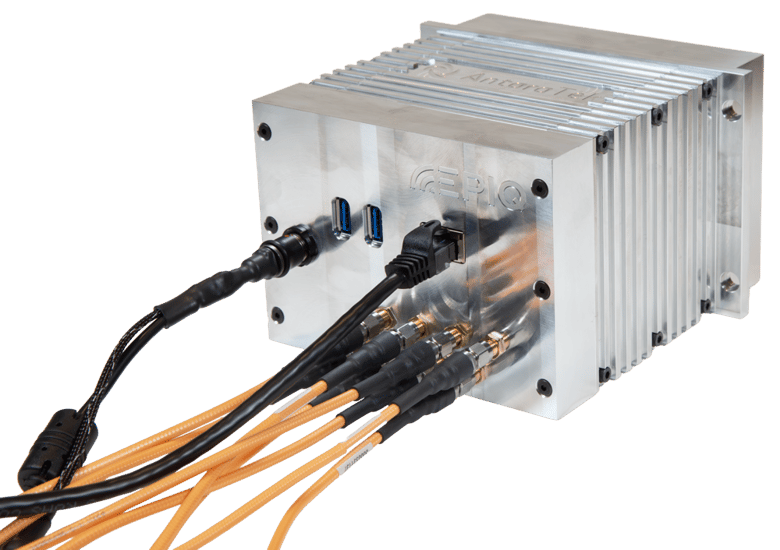
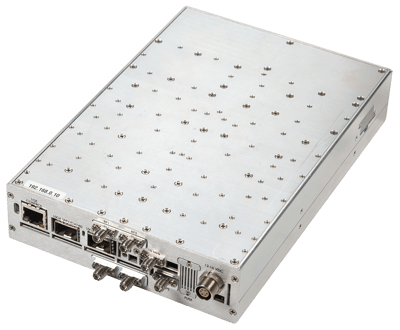
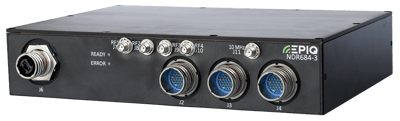
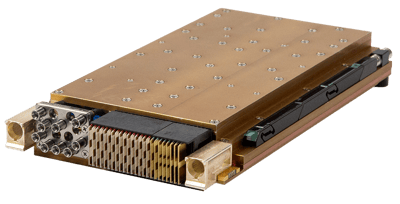
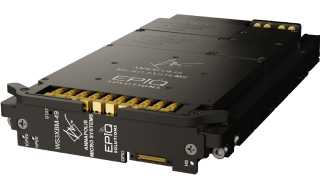
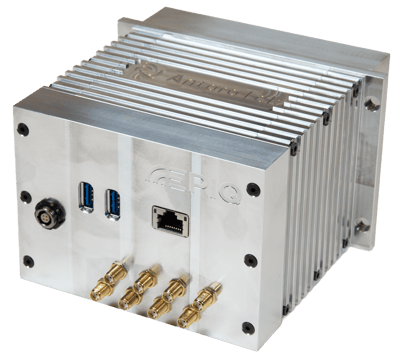
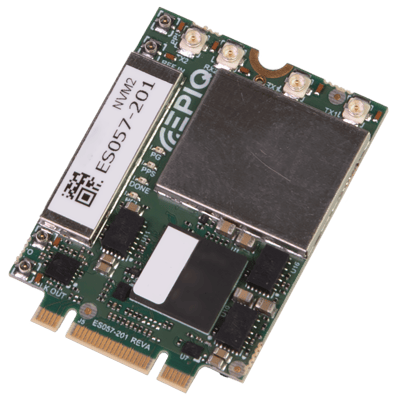
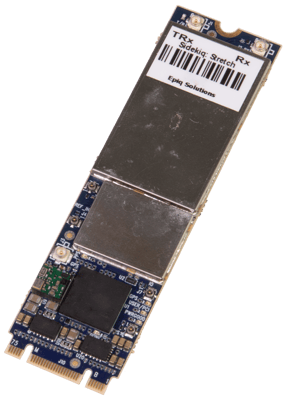
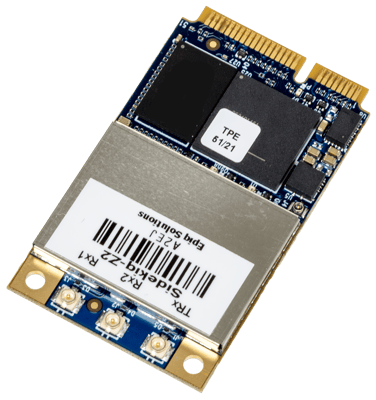
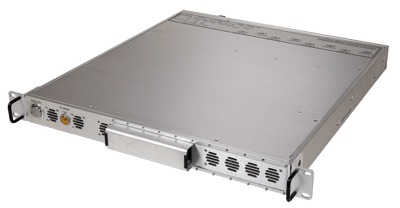
This is where software-defined radio (SDR) is making a critical impact.
SDR platforms provide the flexibility to monitor wide swaths of spectrum and
adapt in real time to evolving drone signals, including frequency hopping and
encrypted communications. Rather than relying on fixed hardware, SDR enables
systems to evolve alongside emerging threats.
Just as importantly, SDR supports spectrum dominance, giving operators the
ability to detect, classify, and act on signals in real time. These capabilities are
essential across both fixed and mobile deployments, from airports and bases to
expeditionary environments.
As drone threats continue to evolve, SDR is becoming a foundational technology
for next-generation counter-UAS detection.
Our latest white paper explores how SDR is enabling more effective, adaptable
detection strategies in increasingly complex RF environments.
Read the full article here:
https://militaryembedded.com/unmanned/counter-uas/winning-the-counter-uas-detection-battle-advanced-sdr-solutions-for-evolving-drone-threats



.webp?length=400&name=Cyber-Radio-NDR585%20(3).webp)



.webp?width=70&height=70&name=Vector%20(1).webp)